Professional Restoration Services in Denver, CO
HRS Restoration Services provides residential and commercial restoration across Denver and the Front Range. We help property owners recover from water losses, fire and smoke damage, storm impacts, and other conditions that threaten safety, structure, and indoor environments.
Our work starts with a clear assessment and a defined plan. From water extraction and drying to cleanup, containment, and repair coordination, we focus on stabilizing the site and preparing it for the next stage of restoration. We also support insurance documentation and communication so the project can move forward with fewer delays.
Our Restoration Services
Bringing Your Denver Property Back to Life
Our restoration services cover the most common loss events in Colorado homes and commercial properties. Each service below links to a dedicated page with scope, process, and what to expect during the project.
water damage
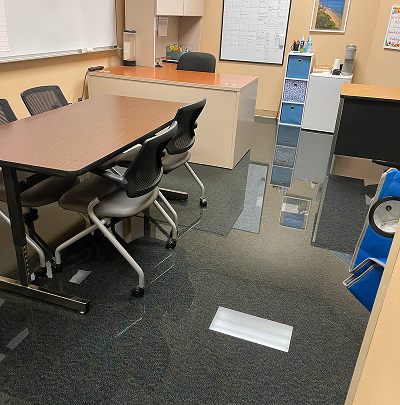
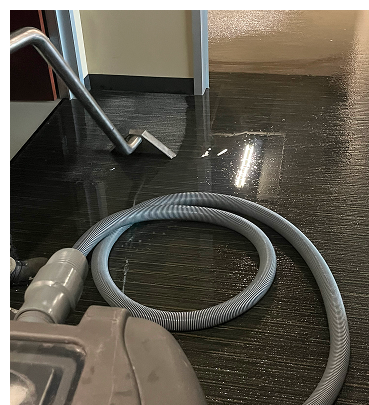
Extraction, structural drying, moisture monitoring, and repair coordination after leaks or flooding.
water extraction
Rapid removal of standing water and moisture control to reduce secondary damage.
fire & smoke damage
Soot residue cleanup, odor control support, and repair planning after a fire event.
storm damage
Emergency stabilization and recovery after hail, wind, fallen trees, or roof openings.
board up services
Temporary securing for windows, doors, and roof openings to protect the structure.
special projects
Targeted cleanup and restoration for non-routine situations i.e. structural repairs
Why We Stand Out
Our Experience & Expertise
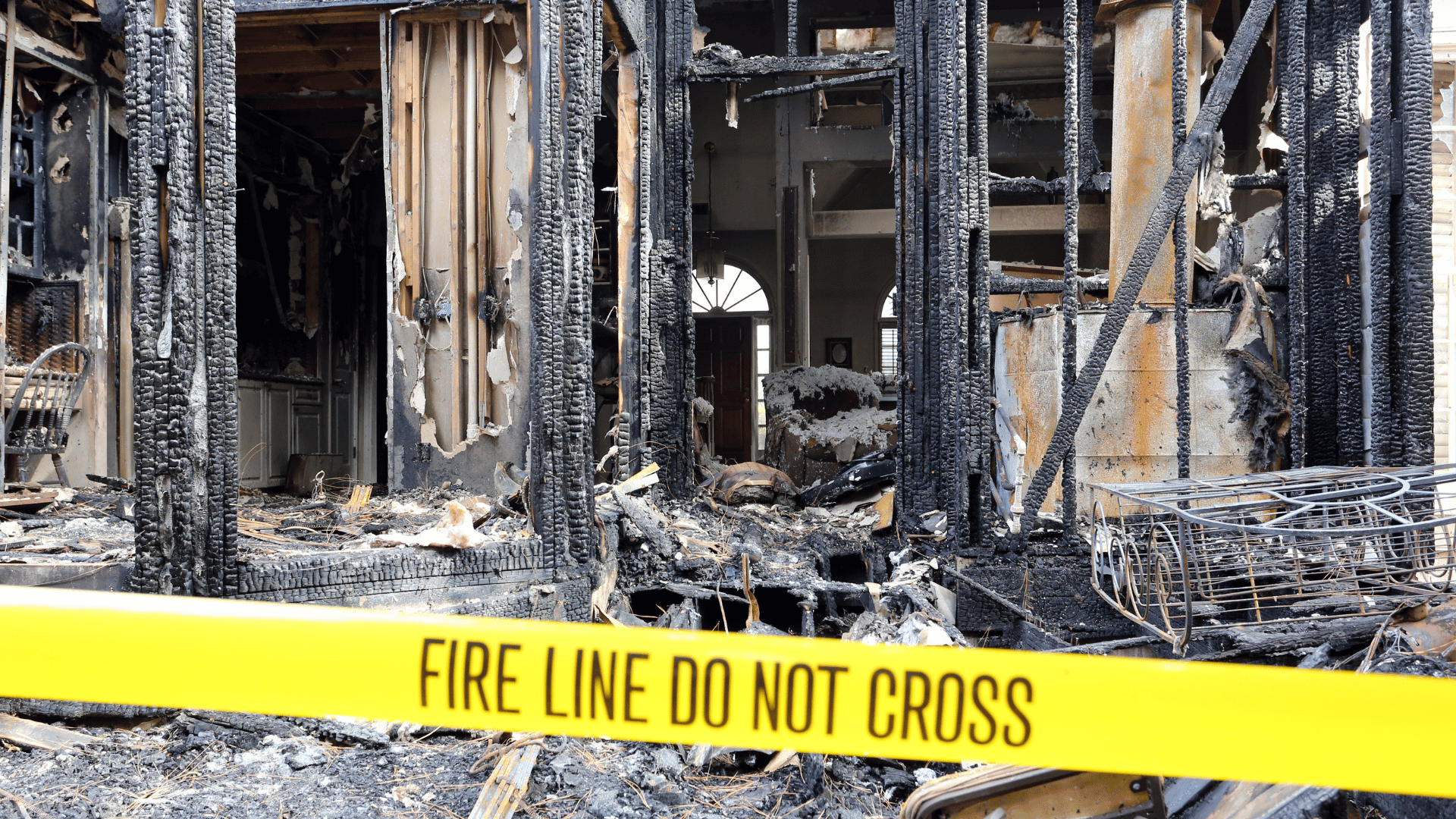
With decades of experience, our team handles the most complex fire scenes. Our certified professionals manage full fire recovery, from structural repair to odor elimination and content cleaning.
24/7 Emergency Fire Cleanup
Disasters don’t wait - and neither do we. HRS Restoration Services offers 24/7emergency fire cleanup.
- Immediate response to minimize structural harm.
- Fast action to restore safety and peace of mind.
IICRC-Certified Fire Technicians
Our team includes licensed, insured, and highly trained professionals. Allfire restoration technicians are IICRC-certified, ensuring compliance with the highest industry standards.
Specialized Fire Cleanup Technology
We use specialized tools for fire damage.
- Thermal imagingto detect heat damage.
- HEPA air scrubbersfor smoke particle removal.
- Chemical sponges and odor-neutralizing agents for deep cleaning.
Compassionate Fire Recovery Support
At HRS, our focus is on you during this difficult time.
- Personalized plans forDenver fire damage repair.
- Open communication throughout the process.
- Respectful handling of your belongings and space.
Insurance Claim Navigation
We simplify the insurance process.
- Expertise with all major providers.
- We assist with documentation and communicate directly with adjusters to ensure fair coverage.
Denver-Based & Community-Minded
As a locally owned company, we’re rooted in Denver.
- We understand local risks like chimney fires in older homes.
- We support our community through tough times.
Learn more about our service standards on Why Choose HRS.
Need Answers?
Frequently Asked Questions
Quick questions regarding professional restoration services in Denver.
What counts as an emergency restoration situation?
An emergency restoration situation is any event that creates active damage, unsafe conditions, or rapid risk of escalation. Common examples include:
- Active leaks, flooding, sewage backup, or standing water
- Fire damage, smoke odor, soot residue, or compromised electrical areas after a fire event
- Storm damage that exposes the interior (roof failure, broken windows, structural openings)
- Suspected hazardous contamination or conditions that require controlled cleanup
- Structural instability, ceiling collapse risk, or unsafe debris
If there is ongoing water intrusion, electrical risk, or contamination exposure, treat it as urgent.
How fast can restoration crews respond in Denver?
Response time depends on call volume, severity, access, and location, but emergency restoration providers typically prioritize:
- Active water loss or sewage events
- Fire-related safety and stabilization needs
- Storm exposure requiring immediate securing
What happens during the first visit for restoration services?
The first visit is usually about stabilization and a clear plan. Common steps include:
- On-site inspection and safety check (including affected materials and visible hazards)
- Moisture checks where relevant (walls, flooring, cabinets, subfloor areas)
- Immediate mitigation actions if needed (water extraction, controlled removal of impacted materials, temporary containment)
- Documentation for scope, photos, and notes that support claim or project planning
- A recommended next-step plan: mitigation, cleaning, drying, and rebuild pathway
This visit is often where the job shifts from “unknown” to a defined scope.
What documentation is needed for insurance?
Insurance needs vary, but the most commonly useful items include:
- Photos and videos of the damage (before any cleanup if safe)
- Date and cause, if known (leak source, weather event, appliance failure, etc.)
- A basic inventory of affected areas and contents
- Any emergency invoices already incurred (plumber, temporary repairs, etc.)
- Claim number and adjuster contact details once filed
How long does drying typically take after water damage?
Drying time depends on water category, materials impacted, how long it sat, and airflow access. In many residential cases, professional structural drying often falls in a multi-day range, but it can extend when:
- Water reached subfloor, wall cavities, insulation, or multiple levels
- Humidity is high or materials are dense (hardwood assemblies, plaster, heavy cabinetry)
- The source was contaminated and removal protocols are required
How does containment work for regulated or high-risk cleanup?
Containment is used to limit cross-contamination and protect occupants and unaffected areas. Depending on the situation, containment may include:
- Plastic barriers and sealed openings
- Negative air pressure (when appropriate) with filtered air movement
- HEPA filtration and controlled entry points
- Surface protection for walk paths and adjacent rooms
- Clear labeling and restricted access to the work zone
Do you handle both mitigation and repairs, or just cleanup?
Yes, we support the project in phases:
- Mitigation and stabilization (stop damage progression)
- Cleaning and deodorization (when needed)
- Drying and monitoring (when water is involved)
- Rebuild support or coordinated repairs (depending on scope)
What should I do before the team arrives?
If it is safe:
- Shut off the water source if you can identify it
- Avoid using electrical outlets in wet areas
- Move valuables to a dry zone if it does not increase risk
- Keep pets and children away from affected areas
- Do not disturb suspected contaminated materials
If you suspect contamination or structural instability, avoid contact and wait for professional guidance.
What is the #1 cause of water damage in Denver?
Winter pipe bursts and spring snowmelt flooding top the list-especially in neighborhoods with older infrastructure like City Park and Cheesman Park.
How can I avoid water damage in my Denver home?
Insulate pipes, maintain sump pumps, clear gutters, and inspect basements after snowmelt. For peace of mind, schedule a free moisture check with HRS.
Need more information before you call? Explore our Restoration FAQs.
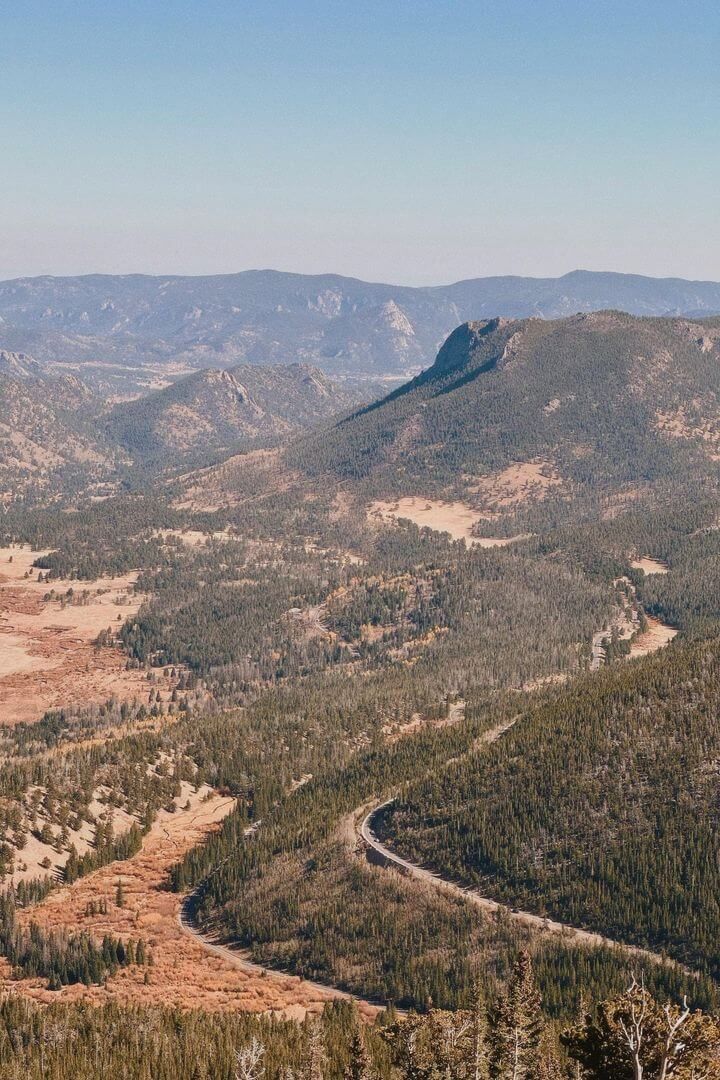
our service areas
Servicing Denver, The Front Range & All of Colorado
Denver’s Trusted Restoration Experts
A burst pipe at 2 a.m. A kitchen fire. A basement full of storm water. These are the moments HRS Restoration Services exists for. Denver homeowners and businesses reach a live dispatcher around the clock, and a certified crew is at the door within 30 minutes to stop the damage from spreading.